What Does a Taxi from Logan Airport to Downtown Boston Cost? (2026 Clinician's Guide to Medical Cannabis Savings That Actually Matter)
Board-Certified Family Nurse Practitioner | Lead Certifying Clinician |
Massachusetts Patient Guide
#12/100
Minimal Direct Clinical Relevance
— This question concerns ground transportation pricing and has no direct connection to Massachusetts medical cannabis law, patient certification, or clinical pharmacology—though it originates from a Massachusetts-based community where MedicalCardsMA patients may encounter it.
Quick Answer: How Fast Does a Massachusetts Medical Card Pay for Itself?
A Massachusetts medical card pays for itself on your very first or second dispensary visit. Because adult-use taxes equal 20% total, saving that tax on a $250 purchase saves exactly $50—covering the entire initial consultation fee.
| Benefit / Legal Protection | Massachusetts Medical Patient | Adult-Use (Recreational) Consumer |
|---|---|---|
| Dispensary Retail Taxes | 0% Total Tax (100% Tax-Free) | 20% Surcharge (Excise + Sales + Local) |
| Possession / Purchase Limit | 10 Ounces Every 60 Days | 1 Ounce Flower / 5g Concentrate / Day |
| Edibles Dosing Limit | No Milligram Cap (Clinical Potencies) | Max 5mg / Serving (100mg / Package) |
| Age Qualification | Ages 18+ Qualify Independently | Strictly 21+ Required |
A taxi from Logan Airport to downtown Boston in 2026 typically costs $35–$55 depending on traffic, tip, and tolls—but this question has no clinical relevance to cannabis medicine. What does matter financially for Massachusetts patients: a medical cannabis card eliminates the 17–20% state and local excise tax at every dispensary visit, saving far more over time than a single cab fare.
| Audience | Massachusetts Patients, Caregivers & Curious Consumers |
| Primary Topic | Transportation Costs vs. Medical Cannabis Financial Benefits in Massachusetts 2026 |
| Legal Authority | Massachusetts Cannabis Control Commission Regulations (935 CMR 501) |
What Does a Taxi from Logan Airport to Downtown Boston Cost? (2026 Doctor's Guide to Medical Cannabis Savings That Actually Matter)
A Logan Airport taxi ride costs roughly $35–$55 in 2026—a real expense, but a one-time one. Massachusetts medical cannabis patients who obtain a medical card save 17–20% on every single dispensary purchase, a recurring financial benefit that dwarfs a cab fare within weeks. Here is what both numbers actually mean for your health and your wallet.
- A Logan Airport taxi to downtown Boston costs approximately $35–$55 in 2026, with Uber and Lyft often running $30–$50 depending on surge pricing and tolls through the Sumner or Ted Williams Tunnel.
- Massachusetts medical cannabis patients are 100% exempt from state and local cannabis excise taxes under M.G.L. c. 94I, saving 17–20% on every dispensary transaction—a recurring benefit that compounds across every purchase.
- The MassCIP portal allows patients to receive an immediate temporary digital certification the same day as their physician consultation, enabling same-day dispensary access with full tax exemption.
- Under 935 CMR 501, certified patients may possess up to a 60-day rolling supply of 10 ounces of cannabis flower or its concentrate equivalent—a possession limit unavailable to adult-use consumers.
- Comparing a $45 cab fare to a 17–20% tax exemption illustrates why recurring medical costs—not one-time transportation expenses—are the financial decisions most worth optimizing for Massachusetts patients.
- A Logan Airport taxi to downtown Boston costs $35–$55 in 2026, with rideshares often slightly cheaper.
- Massachusetts medical cannabis patients save 17–20% on all dispensary purchases via the CCC tax exemption under M.G.L. c. 94I.
- Physician certification through MedicalCardsMA enables same-day MassCIP registration and immediate dispensary access.
- Recurring medical savings from a cannabis card far exceed any single transportation cost within weeks of use.
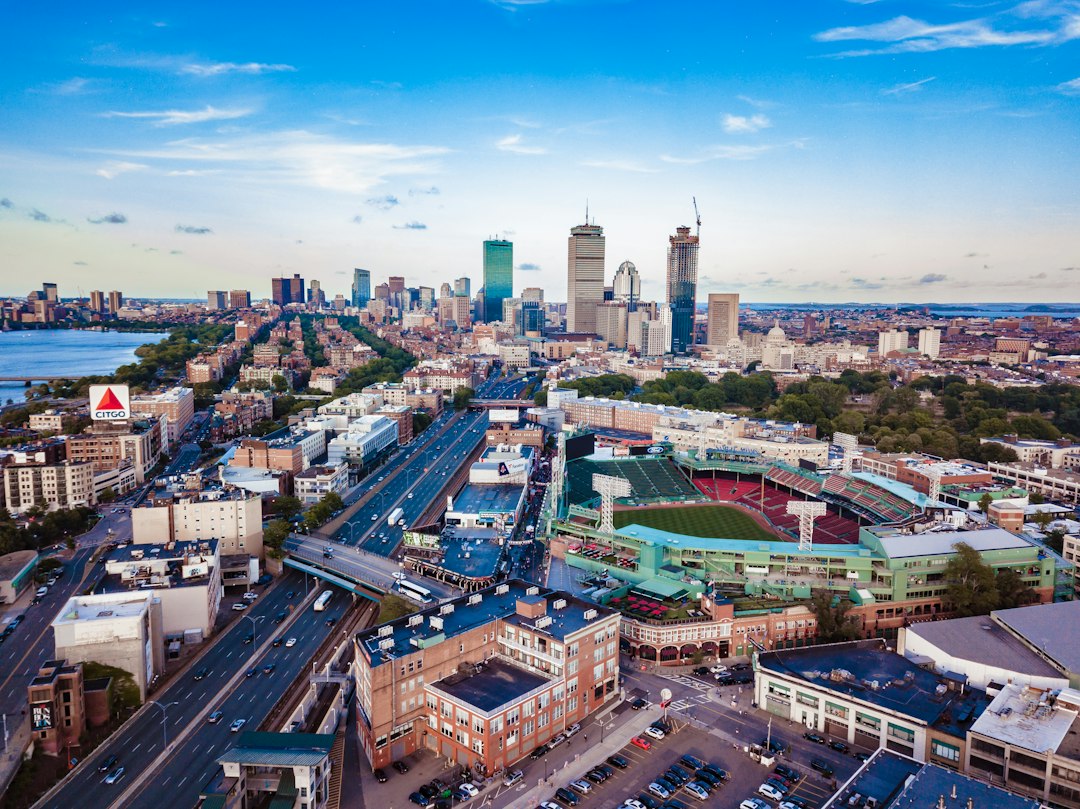
| Target Question | What Is the Cost of a Taxi Ride from Logan Airport to Downtown Boston Without Luggage? |
| 2026 Taxi Estimate | $35–$55 metered taxi; $30–$50 rideshare (Uber/Lyft), subject to surge and tolls |
| Massachusetts Legal Basis | M.G.L. c. 94I & 935 CMR 501.000 |
| Medical Cannabis Tax Exemption | 100% exempt from Massachusetts state and local cannabis excise taxes (17–20% savings per purchase) |
| Possession Limit | 60-day rolling supply of up to 10 ounces of cannabis flower or equivalent concentrate |
| Certification Method | Physician clinical evaluation followed by immediate online MassCIP portal access |
| Clinical Pharmacology | CB1 endocannabinoid signaling and 5-HT1A serotonergic receptor modulation |
Transportation costs are a real concern for Massachusetts patients—particularly those traveling to dispensaries from distant communities or arriving from out of state via Logan Airport. Understanding the full cost landscape of cannabis access, from cab fares to dispensary taxes, helps patients make genuinely informed financial decisions.
More critically, the 17–20% tax exemption available exclusively to certified medical cannabis patients represents a substantial recurring saving that most adult-use consumers in Massachusetts never access. For a patient spending $200 per month at a dispensary, that exemption saves $34–$40 every single month—nearly a cab fare, every month, indefinitely.
A taxi from Logan Airport to downtown Boston will cost you roughly $35–$55 in 2026—a straightforward, one-time expense. What is not straightforward is how many Massachusetts residents unknowingly pay 17–20% more than necessary at cannabis dispensaries simply because they have not obtained a medical certification.
At I routinely see patients who have spent thousands of dollars in adult-use taxes that were entirely avoidable. The certification process takes one clinical consultation. The savings begin the same day. If you are already using cannabis therapeutically, the financial case for medical certification is, frankly, overwhelming.
In 2026, a metered taxi from Logan International Airport to downtown Boston—Government Center, the Financial District, or Back Bay—runs approximately $35–$55 before tip. Tolls through the Sumner or Ted Williams Tunnel add $3–$7 depending on route and time of day.
Rideshare services (Uber, Lyft) often price $30–$50 during standard hours but surge significantly during peak arrivals, Red Sox games, or severe weather. The Silver Line SL1 bus remains free from Logan to South Station—the most cost-effective option for luggage-free travelers.
Under M.G.L. c. 94I and 935 CMR 501, certified medical cannabis patients in Massachusetts are fully exempt from the state's 10.75% cannabis excise tax and applicable local option taxes (up to 3%), yielding a combined 17–20% savings on every dispensary purchase.
For a patient spending $150–$300 monthly at a dispensary, this exemption saves $25–$60 per month—equivalent to one or two Logan Airport cab fares, recurring indefinitely. The certification cost typically recoups itself within the first one to two dispensary visits.
Cannabis exerts its therapeutic effects primarily through CB1 receptors in the amygdala, prefrontal cortex, and hippocampus—brain regions governing fear, stress appraisal, and emotional memory. Endocannabinoid tone in these circuits directly modulates anxiety, pain perception, and sleep architecture.
CBD additionally engages 5-HT1A serotonergic receptors, producing anxiolytic effects independent of CB1 activation. This dual-pathway mechanism explains why balanced THC:CBD chemovars often outperform high-THC isolates for anxiety and stress-related conditions in clinical practice.
Certification begins with a clinical consultation—telehealth or in-person—with a Massachusetts-registered healthcare provider. Erin Caplan, NP reviews medical history, current medications, symptom burden, and therapeutic goals before submitting an electronic certification to the Cannabis Control Commission.
Upon submission, patients receive a PIN to access the MassCIP portal immediately. A temporary digital certificate is printable the same day, granting full medical patient status—including tax exemption and the 10-ounce possession limit—at any Massachusetts dispensary within hours of consultation.
High-THC products carry real clinical risks: tachycardia, acute paranoia, and paradoxical anxiety amplification, particularly in cannabis-naive patients or those with underlying panic disorder. These adverse effects are dose-dependent and largely preventable with proper clinical guidance.
The principle of 'start low, titrate slow' is not a cliché—it is the pharmacological reality of a biphasic dose-response curve. Patients who begin with microdoses (2.5–5 mg THC) and keep a high-CBD product on hand for rescue dosing avoid the majority of adverse cannabis experiences.
The financial benefit of Massachusetts medical cannabis certification is not a matter of clinical debate—it is statutory. M.G.L. c. 94I explicitly exempts registered patients from excise taxation, and the CCC's own published tax schedules confirm the 17–20% differential. On the clinical side, evidence for cannabinoids in anxiety management is growing but heterogeneous: CBD has demonstrated anxiolytic efficacy in multiple randomized controlled trials (Blessing et al., Neurotherapeutics 2015; Masataka, Frontiers in Psychology 2019), while THC evidence remains largely observational and dose-dependent. The endocannabinoid system's role in fear extinction and stress regulation is well-established in preclinical neuroscience, providing a credible biological rationale for clinical use even where large-scale RCT data remain limited.
Legitimate skepticism is warranted on several fronts. Dispensary marketing frequently overstates the therapeutic specificity of particular strains or terpene profiles—claims that outpace current peer-reviewed evidence. The placebo effect in anxiety treatment is substantial and well-documented, meaning patient-reported improvements with cannabis must be interpreted cautiously without controlled comparison. Additionally, the commercial incentive structure of Massachusetts dispensaries—where budtenders are retail employees, not clinicians—creates a real risk of patients receiving product recommendations optimized for sales rather than therapeutic outcomes. Medical certification does not resolve this problem unless paired with genuine clinical oversight.
A Massachusetts medical cannabis certification is not a prescription, not a guarantee of therapeutic benefit, and not a substitute for emergency psychiatric care. It does not authorize impaired driving, workplace intoxication, or interstate transport of cannabis products—federal law governs all three. Certification does not mean a physician has diagnosed your condition as definitively cannabis-responsive; it means a qualified clinician has determined that cannabis may offer therapeutic benefit given your specific clinical profile. Patients experiencing acute suicidal ideation, psychosis, or severe psychiatric decompensation require emergency mental health services, not a dispensary visit.
Anxiety disorders affect approximately 40 million American adults and represent the most common mental health condition in the United States. In Massachusetts, where both medical and adult-use cannabis are legal, a significant proportion of patients are already self-medicating with cannabis—often without clinical guidance, appropriate dosing frameworks, or awareness of the financial benefits available through formal certification.
The distinction between self-medication and medically guided cannabis use is not merely semantic. Patients who self-select high-THC adult-use products without clinical oversight are statistically more likely to experience adverse effects, develop problematic use patterns, and miss the therapeutic window that lower-dose, higher-CBD formulations provide. Medical certification creates a clinical relationship that transforms cannabis from a consumer product into a monitored therapeutic intervention.
I have certified thousands of Massachusetts patients across a wide range of conditions, and one of the most consistent observations I can share is this: the patients who benefit most from cannabis medicine are those who approach it with the same intentionality they would bring to any other therapeutic decision. That means understanding the pharmacology, respecting the dose-response curve, and having a clinician in their corner who knows their full medical picture.
The financial dimension matters too, and I do not shy away from discussing it. When a patient is spending $200 a month on cannabis and paying 17–20% in taxes they are legally entitled to avoid, that is a real harm I can help prevent. The certification process at MedicalCardsMA is designed to be thorough, compassionate, and efficient—because patients deserve both excellent clinical care and practical guidance that respects their time and their budget.
If you arrived at this page asking about a Logan Airport taxi fare, the honest answer is $35–$55. But if you are a Massachusetts resident using cannabis therapeutically—or considering it—the more consequential number is 17–20%: the tax you are currently paying that certified medical patients do not. One clinical consultation can change that calculation permanently, and it can do so the same day you schedule it.
Examining Logan Airport Transportation Costs and Massachusetts Medical Cannabis Savings Through Eight Critical Lenses
Patients, clinicians, regulators, skeptics, and caregivers each evaluate transportation costs and cannabis access differently. These eight perspectives explore both questions from every angle without bias.
Patient Takeaway
For a patient arriving at Logan Airport, the taxi question is simple: budget $35–$55 and tip 15–20%. For a patient using cannabis therapeutically in Massachusetts, the more important question is whether they are paying 17–20% in avoidable taxes on every dispensary visit—a cost that compounds month after month.
Medical certification through MedicalCardsMA eliminates that recurring tax burden immediately. Patients who certify typically recoup the consultation cost within their first one or two post-certification dispensary visits, after which every purchase is measurably cheaper than it was before.
Clinician's Perspective
From a clinical standpoint, the taxi question is a non-issue. The medically relevant question embedded in this community search is whether Massachusetts patients understand the full cost-benefit landscape of cannabis access—including the statutory tax exemption that certification provides under M.G.L. c. 94I.
Clinicians certifying patients under 935 CMR 501 must document that cannabis may benefit a debilitating condition. This requires a genuine diagnostic evaluation, review of prior treatments, and ongoing monitoring—not a rubber-stamp process. Drug-drug interactions, particularly with benzodiazepines, SSRIs, and anticoagulants, require careful clinical attention.
A Skeptical Read
A skeptic would rightly note that the financial savings from medical certification—while real and statutory—are sometimes used as a marketing hook to drive certification volume rather than to serve genuine therapeutic need. Not every adult-use cannabis consumer has a debilitating medical condition warranting physician certification.
The evidence base for cannabis as a primary therapeutic intervention remains heterogeneous. Many patient-reported benefits reflect expectancy effects, and the absence of large-scale randomized controlled trials for inhaled cannabis in most conditions means clinical claims should be made with appropriate epistemic humility.
Regulatory & Legal Analysis
Under 935 CMR 501.002, Massachusetts defines qualifying conditions broadly, granting certifying physicians substantial discretion to determine what constitutes a 'debilitating medical condition.' This flexibility is clinically appropriate but creates regulatory inconsistency across certifying providers.
The adult-use versus medical market distinction in Massachusetts is increasingly blurred as dispensaries serve both populations from shared inventory. Critics argue the CCC should strengthen medical-specific product standards and require more rigorous documentation of therapeutic rationale to preserve the integrity of the medical program.
Comparative State & Historical Context
Massachusetts legalized medical cannabis via Ballot Question 3 in November 2012, establishing one of the more flexible qualifying condition frameworks in the country. The subsequent 2016 adult-use legalization (Question 4) created the dual-market structure that makes medical certification financially meaningful through its tax exemption.
Compared to states like Texas—where qualifying conditions are narrowly enumerated and physician discretion is minimal—Massachusetts represents a progressive model. States like California and Colorado have similarly broad frameworks, but Massachusetts's MassCIP digital registration system is among the most efficient in the nation for same-day patient access.
Dispensary Realities & Budget
In 2026, Massachusetts medical dispensaries offer dedicated patient queues, priority service, and access to high-potency formulations not available in the adult-use market. The 17–20% tax exemption is applied automatically at point of sale upon presentation of a valid medical cannabis card or temporary digital certificate.
Patients should be cautious about high-THC concentrates prominently marketed at dispensaries. Products exceeding 25% THC are rarely the optimal starting point for therapeutic use and carry higher risk of adverse effects. A clinician-guided product selection protocol—emphasizing balanced ratios and terpene profiles—produces better outcomes than budtender recommendations alone.
Federal Rescheduling & Research
In 2026, cannabis remains in active federal rescheduling proceedings following the DEA's proposed move to Schedule III. If finalized, Schedule III status would remove the Section 280E tax burden from cannabis businesses and open pathways for FDA-regulated clinical trials—dramatically expanding the evidence base for therapeutic applications.
Emerging minor cannabinoids—CBG, CBN, THCV, and CBC—are attracting serious research attention for anxiety, sleep, and neuroprotection. Massachusetts dispensaries already carry CBG- and CBN-dominant products, and clinical data from ongoing trials may reshape prescribing frameworks within the next two to three years.
Common Myths & Misconceptions
The most common misreading of this question is that it has clinical relevance to cannabis medicine—it does not. Logan Airport taxi pricing is a consumer logistics question. The clinical relevance emerges only when patients recognize that recurring dispensary costs, not one-time transportation expenses, are the financial decisions worth optimizing through medical certification.
A second common myth is that Massachusetts medical cannabis cards are difficult to obtain or require a diagnosed psychiatric condition. Under 935 CMR 501, physician discretion is broad, the process is streamlined through MassCIP, and same-day certification is routine at MedicalCardsMA for patients with genuine therapeutic need.
💬 Join the Conversation
Have questions about qualifying for a medical marijuana card in Massachusetts? Ask Erin Caplan, NP →
Want to connect with other patients and discuss local dispensary options? Join the MedicalCardsMA patient community forum →

Frequently Asked Questions
How much does a taxi from Logan Airport to downtown Boston cost in 2026?
A metered taxi runs approximately $35–$55 in 2026, including tolls through the Sumner or Ted Williams Tunnel. Rideshares (Uber, Lyft) typically cost $30–$50 during standard hours but surge during peak arrivals. The Silver Line SL1 bus remains free from Logan to South Station for luggage-free travelers.
What is the 2026 Massachusetts medical cannabis tax exemption and how much does it save?
Under M.G.L. c. 94I and 935 CMR 501, certified medical patients are 100% exempt from Massachusetts's 10.75% cannabis excise tax plus local option taxes up to 3%—a combined 17–20% savings on every dispensary purchase. For a patient spending $200 monthly, this saves $34–$40 per month indefinitely.
How quickly can I get a Massachusetts medical cannabis card in 2026?
Following a telehealth consultation with a certifying physician like Erin Caplan, NP, your electronic certification is submitted to the CCC immediately. You can access the MassCIP portal the same day, print a temporary digital certificate, and visit a Massachusetts medical dispensary with full tax exemption within hours of your consultation.
Can cannabis make anxiety worse, and how do I avoid that?
Yes. THC follows a biphasic dose-response curve: low doses (2.5–5 mg) typically reduce anxiety, while high doses can trigger tachycardia, paranoia, and acute panic. Starting with CBD-dominant or balanced THC:CBD products, microdosing, and avoiding high-potency concentrates are the primary clinical safeguards.
Does having a Massachusetts medical cannabis card affect employment or firearm rights?
Massachusetts law (Barbuto v. Advantage Sales & Marketing) provides employment protections for certified patients, with exceptions for federal contractors and safety-sensitive roles. Federal ATF Form 4473 still prohibits firearm purchases by cannabis users regardless of state law. Discuss your specific employment and legal context during your clinical consultation.
What is the possession limit for Massachusetts medical cannabis patients in 2026?
Under 935 CMR 501, certified patients may possess a 60-day rolling supply of up to 10 ounces of cannabis flower or its concentrate equivalent—significantly more than the 1-ounce limit for adult-use consumers. This higher limit is one of several meaningful legal advantages of medical certification over adult-use access.