Medical Card for Chronic Pain in MA ($50 Visit)
Medical Marijuana Card for Chronic Pain in Massachusetts ($50 Telehealth Guide)
Qualify legally for Massachusetts medical cannabis without opioid dependence risks. Understand M.G.L. c. 94I chronic pain certification, CB1/CB2 nociceptive pathways, NASEM clinical evidence, and tax-exempt medical access.
Direct Answer: Massachusetts Eligibility for Chronic Pain
Yes—chronic pain is the most common qualifying diagnosis for a Massachusetts medical marijuana card. Under M.G.L. c. 94I and 935 CMR 501.010, licensed nurse practitioners and physicians may certify any debilitating symptom that limits major life activity or causes persistent suffering, without requiring prior opioid failure or hospital chart uploads. Notably, the National Academies of Sciences, Engineering, and Medicine (NASEM) concluded there is substantial clinical evidence that cannabis is an effective treatment for chronic pain in adults.
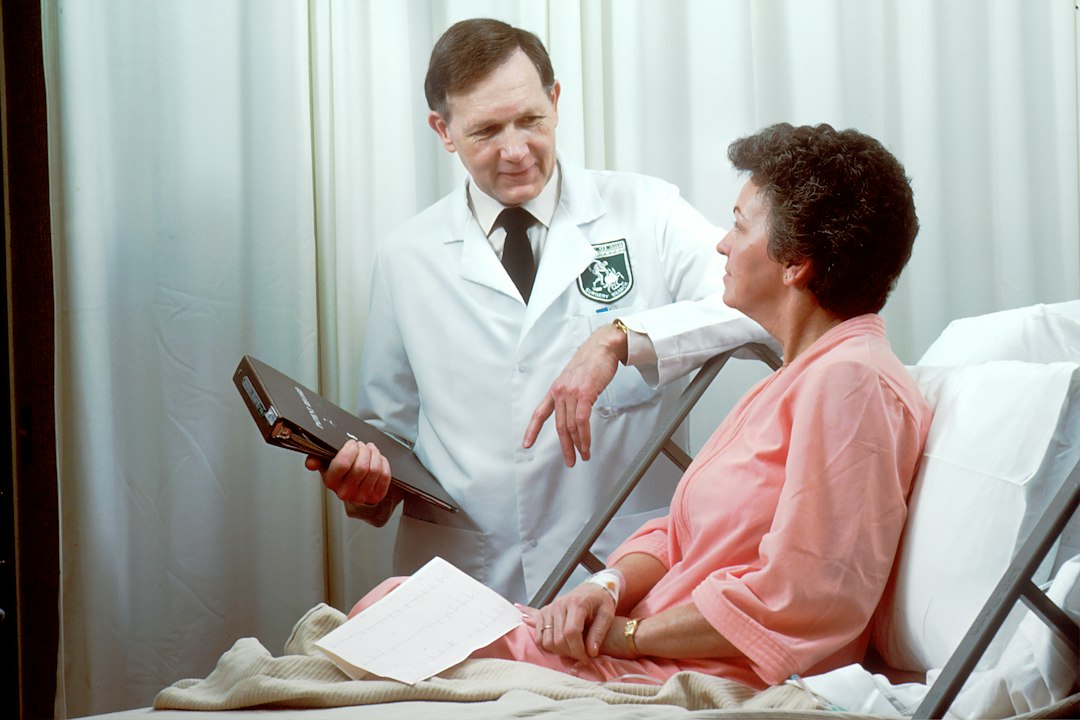
Clinical Evidence & Cannabinoid Pharmacology for Chronic Pain
- CB1 Dorsal Horn Modulation: Δ9-THC activates presynaptic CB1 receptors in the dorsal horn of the spinal cord and periaqueductal gray, inhibiting ascending glutamate and Substance P nociceptive signaling.
- CB2 & TRPV1 Peripheral Attenuation: Minor cannabinoids (CBD, CBG) and β-caryophyllene engage peripheral CB2 immune receptors and desensitize TRPV1 pain channels to calm localized inflammatory signaling.
- Balanced Delivery Matching: Rapid-onset vaporization targets breakthrough pain flares (5–10 min onset), whereas sublingual tinctures, RSO, or medical capsules provide 6–10 hours of overnight coverage.
How to Get Certified in Massachusetts for Chronic Pain ($50)
- Book a Confidential 15-Minute Telehealth Visit ($50): Schedule online at MedicalCardsMA with Erin Caplan, NP. No prior hospital chart uploads or PCP permission required (What to Expect Guide).
- Same-Day MassCIP PIN & Temporary Card: Your clinician submits your certification directly to the state portal within hours, letting you download your 14-day temporary dispensary certificate immediately ($0 state fee).
- Enjoy 0% Tax, Delivery & Workplace Protections: Save 20% on every purchase (Tax Calculator), unlock $100–$200 dispensary vouchers, and gain Barbuto employment protections (Drug Testing Guide).
Watch: Cannabis for Chronic Pain, Explained by a Physician
Real patient and clinician conversations about pain relief and reducing harmful medication trade-offs.
Educational content only; not medical advice. Eligibility is determined by a licensed clinician during your visit.
Frequently Asked Questions: Chronic Pain & MA Medical Cards
Does chronic back, neck, or knee pain qualify for a Massachusetts medical card?
Yes. Under 935 CMR 501.010, persistent musculoskeletal, post-surgical, orthopedic, or myofascial pain qualifies when evaluated by a certifying Massachusetts Nurse Practitioner or Physician.
Do I need MRI scans or an opioid prescription history to qualify?
No. MedicalCardsMA does not require uploaded MRI discs or pain clinic referrals; your clinician conducts a direct 15-minute telehealth clinical intake.
Does a medical card protect chronic pain patients from workplace drug tests?
Yes. Under the Massachusetts Supreme Judicial Court Barbuto ruling, off-duty medical cannabis use for a chronic debilitating condition qualifies as a protected handicap accommodation under M.G.L. c. 151B at most non-federal private employers.
Which dispensary forms work best for all-day chronic pain without heavy intoxication?
Many clinicians recommend balanced CBD:THC sublingual tinctures (e.g., 1:1 or 4:1 ratios) or topical transdermal balms for daytime function, reserving low-dose oral formulations for nocturnal sleep support.
How much money do chronic pain patients save with a $50 medical card?
Eliminating the 20% recreational cannabis tax saves $240 to $720+ per year for regular pain patients—paying back the $50 fee after just $250 in total purchases.
Verified Clinical & Statutory References
- National Academies of Sciences, Engineering, and Medicine (2017). The Health Effects of Cannabis and Cannabinoids — Chapter 4: Therapeutic Effects in Chronic Pain.
- 935 CMR 501.010 & M.G.L. c. 94I: Massachusetts debilitating condition certification authority via telehealth.
- Barbuto v. Advantage Sales & Marketing, LLC, 477 Mass. 456 (2017).
Get Certified Today for Just $50
Private 15-minute telehealth evaluation with Erin Caplan, NP. Instant same-day MassCIP PIN, $0 state fees, and 100% refund guarantee if not approved.
Massachusetts Medical Card Directory & Patient Knowledge Base
MedicalCardsMA provides fast, private, secure $50 telehealth medical marijuana evaluations across all cities and towns in Massachusetts. Explore regional telehealth coverage, condition guides, financial calculators, and patient legal protections below.
Massachusetts Cities & Regions
Cambridge, MA 3-Hr Speed
Somerville, MA Telehealth
Worcester, MA $50 Fee
Springfield, MA 3-Hr Speed
Lowell, MA Telehealth
Lynn, MA $50 Fee
New Bedford, MA 3-Hr Speed
Brockton, MA $50 Fee
Quincy, MA Telehealth
Fall River, MA $50 Fee
Framingham, MA Telehealth
Waltham, MA 3-Hr Speed
Malden, MA $50 Fee
Medford, MA Telehealth
Taunton, MA 3-Hr Speed
Chicopee, MA $50 Fee
Weymouth, MA Telehealth
Revere, MA 3-Hr Speed
Peabody, MA $50 Fee
Methuen, MA Telehealth
Haverhill, MA 3-Hr Speed
Pittsfield, MA $50 Fee
Attleboro, MA Telehealth
Fitchburg, MA 3-Hr Speed
Leominster, MA $50 Fee
Plymouth, MA Telehealth
Cape Cod & Barnstable 3-Hr Speed
Costs, Renewals & Interactive Tools
Temporary Card & Same-Day Instant Access
MassCIP Portal & PIN Guide State Registry
Dispensary Deals & Vouchers Save $200+
Medical vs Rec 2026 Matrix Full Chart
20% Tax Exemption Guide Tax-Free
How to Renew Card Online $50 Annual
What to Expect at Telehealth 15-Min Visit
Health Insurance & HSA/FSA FSA Eligible
Using MA Card in Maine Reciprocity
Designated Caregiver Guide Proxy Access
Pediatric & Minor Protocol Under 18
Seniors & Older Adults (65+) Gentle Dosing
Out-of-State Residents in MA Residency Rules
Rapid 3-Hour State Submission Instant Access
Qualifying Medical Conditions
Anxiety & Stress Relief Clinical Care
Chronic Pain & Spasms Clinical Care
Insomnia & Sleep Disorders Clinical Care
Depression & Mood Clinical Care
PTSD & Trauma Relief Clinical Care
ADHD & Executive Focus Clinical Care
Migraines & Headaches Clinical Care
Arthritis & Joint Pain Clinical Care
Crohn’s, Colitis & IBD Clinical Care
Cancer & Oncology Relief Clinical Care
Fibromyalgia Syndromes Clinical Care
Multiple Sclerosis (MS) Clinical Care
Glaucoma & Eye Pressure Clinical Care
Parkinson’s & Tremors Clinical Care
Neuropathy & Nerve Pain Clinical Care
Massachusetts Laws, Rules & Travel
Gun Ownership & Rights ATF Form 4473
Possession Limits & Allotment 10 oz / 60-Day
Flying with Cannabis (TSA/BOS) Logan Airport
College Students on Campus Campus Policy
Privacy & HIPAA Protections Confidential
Patient Rights & Protections State Law
Dispensary Home Delivery Tax-Free
Growing at Home & Hardship 12 Plants
Medical vs. Recreational 7 Differences